Brasil
Extinction threatens nearly all freshwater migratory fish worldwide, a global report finds
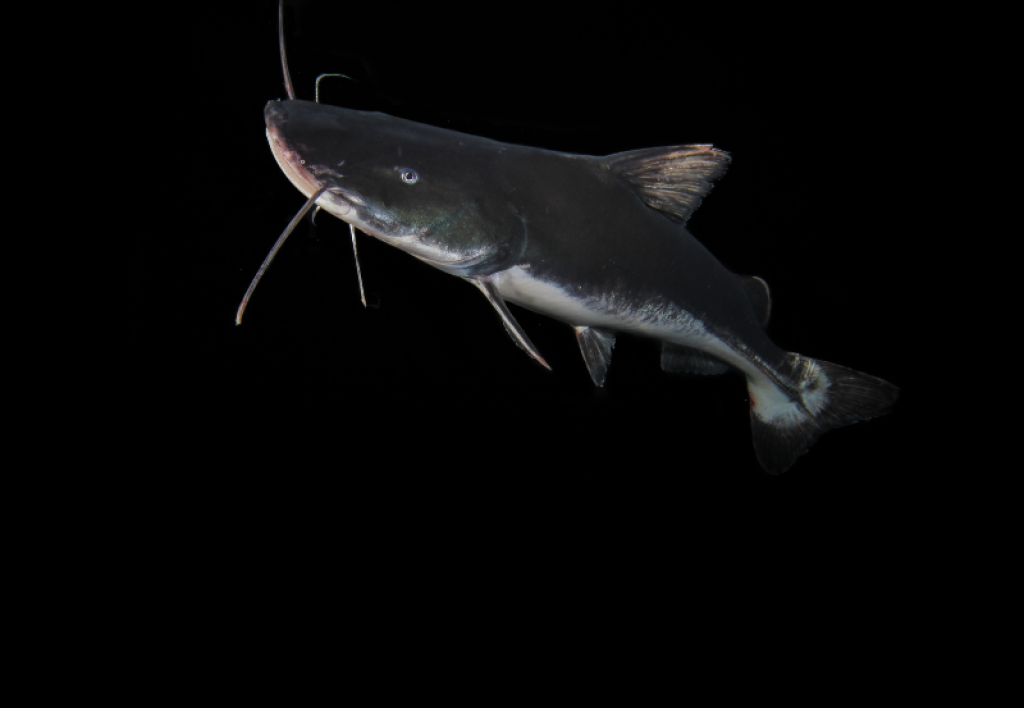
The Global Assessment of Freshwater Migratory Fish, launched this Tuesday (March 24) at a side event of the 15th Meeting of the Conference of the Parties to the Convention on the Conservation of Migratory Species of Wild Animals (CMS COP), indicates that 97% of freshwater fish listed by the CMS are threatened with extinction. Conducted jointly by the CMS, WWF, and the University of Nevada (USA), the study included the collaboration of the Ministry of Environment and Climate Change (MMA) and is the most comprehensive assessment of freshwater migratory fish to date.
See the Global Assessment here.
“Freshwater migratory fish are not only ecological marvels but also essential for food security, local economies, and the cultural heritage of many populations around the world,” said CMS Executive Secretary Amy Fraenkel.
These species are among the most threatened vertebrates, affected by factors such as altered water flows, habitat degradation, overexploitation, and pollution, which have already led to an estimated population decline of around 90% among CMS-listed species since the 1970s.
“These results are the product of a global effort. We have every reason to be deeply concerned. Our fish species, which are the foundation of so many communities, essential for food security and for the functioning of our economic systems, and which possess unique characteristics, are sending us clearer than ever signals about their level of threat, vulnerability, and the urgency of our attention,” said Rita Mesquita, National Secretary for Biodiversity, Forests, and Animal Rights at the MMA.
Currently, only 24 species are listed under CMS, but the report identifies a total of 349 that meet the convention’s criteria. This means that 325 freshwater migratory fish species not yet formally listed in the CMS appendices may be under some level of conservation threat or risk of extinction. Asia has the highest number of threatened migratory fish (205), followed by South America (55), Europe (50), Africa (42), North America (32), and Oceania (6).
The study also highlights river basins where international cooperation could make a significant difference: the Amazon, La Plata–Paraguay–Paraná, Danube, Mekong, Nile, and Ganges–Brahmaputra.
“It is encouraging to see alignment between the CMS agenda and freshwater challenges. This convergence shows how global initiatives can reinforce national priorities. Brazil’s environmental leadership is strengthened both in the conservation of migratory fish and in maintaining habitat connectivity. By integrating this agenda, the country reaffirms its commitment to the sustainability of essential ecological processes,” said João Paulo Capobianco, President of CMS COP15 and Executive Secretary of the MMA.
Amazon Basin
In the Amazon Basin alone, 21 migratory fish species in unfavorable conservation status have been confirmed, according to a case study included in the Global Assessment of Freshwater Migratory Fish.
The group of candidate species includes long-distance pimelodid catfish (such as large catfish of the genera Brachyplatystoma and Pseudoplatystoma), migratory characiforms (including Brycon, Leporinus, Prochilodus, and Semaprochilodus), and widely exploited serrasalmids.
The Amazon Basin stands out for its long-distance migratory fish. The gilded catfish or dourada (Brachyplatystoma rousseauxii) is recognized for undertaking the longest freshwater migration cycle—over 11,000 kilometers—from the Andes to the Atlantic Ocean and back.
According to the study, these large migratory fish account for 93% of fishery catches and generate approximately USD 436 million (around BRL 2.28 billion) annually.
Regional Action Plan
The Regional Action Plan for Amazonian Migratory Catfish is under consideration at CMS COP15. The document was presented by the Government of Brazil and developed with the participation of authorities from Bolivia, Colombia, Ecuador, Peru, and Venezuela.
Large Amazonian migratory catfish, such as the dourada and piramutaba (Brachyplatystoma vaillantii), were included in CMS Appendix II during COP14, recognizing the need for international cooperation for their conservation.
The plan’s strategic objectives include conserving critical habitats and river connectivity, strengthening scientific and local knowledge, promoting sustainable value chains, aligning policies and regulatory frameworks, and supporting international cooperation.
“Brazil has made significant efforts to establish recovery action plans for threatened species. We have worked on revising and updating lists of endangered species and invasive exotic species. We have placed on the agenda the clear need to discuss these spaces,” explained Rita Mesquita.
Within the scope of COP15, Brazil has proposed the inclusion of the surubim (Pseudoplatystoma corruscans) in CMS Appendix II.
Special Advisory for Social Communication of the MMA
[email protected]
+55 (61) 2028-1227/1051
Visit MMA’s Flickr


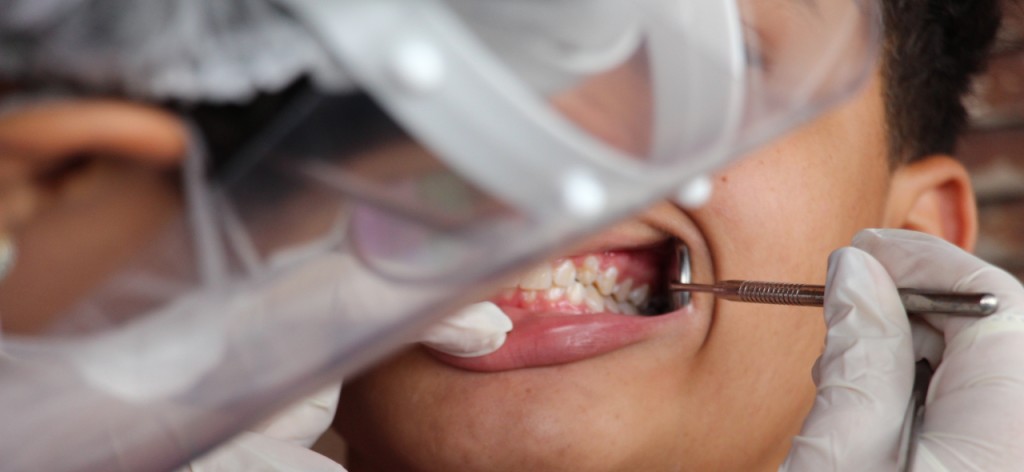
O Julho Neon é o mês dedicado à conscientização sobre a importância da saúde bucal e reforça a necessidade de incorporar hábitos de prevenção ao dia a dia. A escovação adequada, o uso do fio dental, a alimentação equilibrada e as consultas periódicas ao dentista contribuem para prevenir doenças bucais e outras condições de saúde, incluindo o câncer de boca.
No Sistema Único de Saúde (SUS), o cuidado em saúde bucal está presente desde a Atenção Primária até os serviços especializados. As equipes de Saúde Bucal atuam nas Unidades Básicas de Saúde (UBS) com ações de promoção da saúde, prevenção, diagnóstico e tratamento, além do encaminhamento para serviços especializados quando necessário.
A rede de atendimento conta com equipes de Saúde Bucal distribuídas em todo o país, além de Centros de Especialidades Odontológicas (CEO), Serviços de Especialidades em Saúde Bucal (SESB) e Laboratórios Regionais de Prótese Dentária (LRPD), que oferecem procedimentos de média complexidade, diagnóstico especializado e reabilitação oral. As Unidades Odontológicas Móveis também estão presentes em localidades de difícil acesso, como comunidades rurais, ribeirinhas, indígenas e quilombolas.
O cuidado deve ser diário
Durante o Julho Neon, profissionais de saúde reforçam orientações sobre hábitos que ajudam a preservar a saúde bucal ao longo da vida. Entre as principais recomendações estão:
- Escovar os dentes com creme dental fluoretado pelo menos três vezes ao dia;
- Utilizar fio dental diariamente;
- Evitar o consumo frequente de alimentos com alto teor de açúcar;
- Não utilizar produtos derivados do tabaco;
- Moderar o consumo de bebidas alcoólicas;
- Procurar avaliação odontológica regularmente ou sempre que surgirem sinais como dor persistente, feridas que não cicatrizam, sangramento gengival ou dificuldade para mastigar.
Pessoas que utilizam próteses dentárias também devem manter a higienização adequada dos dispositivos e realizar acompanhamento periódico para avaliar a adaptação das próteses e a saúde dos tecidos bucais.
Como acessar os serviços no SUS
Para dar início ao tratamento odontológico, o usuário deve procurar a Unidade Básica de Saúde (UBS) mais próxima de sua residência. Quando necessário, será encaminhado para atendimento especializado, conforme a organização da rede de serviços em cada município.
O Julho Neon reforça que a saúde bucal é parte integrante da saúde geral e que a prevenção, aliada ao acompanhamento odontológico regular, contribui para melhorar a qualidade de vida em todas as fases da vida.
Janaína Oliveira
Ministério da Saúde
Fonte: Ministério da Saúde


Hugo Motta comemora aprovação de projeto de combate à violência contra mulheres

Proibição do acesso de menores de 16 anos às redes sociais tem divergências na Comissão de Educação

Câmara aprova criação do Sistema Nacional de Enfrentamento da Violência contra Meninas e Mulheres

Câmara cria Comenda Padre Cícero para reconhecer quem contribui com desenvolvimento do Nordeste

Suíça elimina a Colômbia nos pênaltis e fecha as vagas nas quartas de final da Copa do Mundo
-

 Esportes7 dias ago
França domina Suécia e carimba passaporte para as oitavas de final da Copa do Mundo
-

 Esportes7 dias ago
México vence Equador no Azteca e carimba passaporte para as oitavas de final
-

 Esportes7 dias ago
Após lesão na coxa, Lucas Paquetá se apega à fé por recuperação no Mundial
-

 Esportes7 dias ago
Noruega vence Costa do Marfim com brilho de Haaland e encara o Brasil nas oitavas
-

 Agro4 dias ago
Café sobe nas bolsas em junho com atraso da colheita no Brasil, clima chuvoso e queda nos estoques globais
-

 Paraná7 dias ago
23 metros e quase 200 lugares: Paraná ganha primeiros ônibus superarticulados
-

 Polícial6 dias ago
PCPR divulga foto de investigado por estupro de adolescente em Nova Londrina
-

 Brasil6 dias ago
Ministério da Saúde tem dois editais abertos para ampliar investimentos em infraestrutura do SUS