Brasil
Brazil assumes the presidency of COP15 with a landmark agenda for the conservation of migratory species
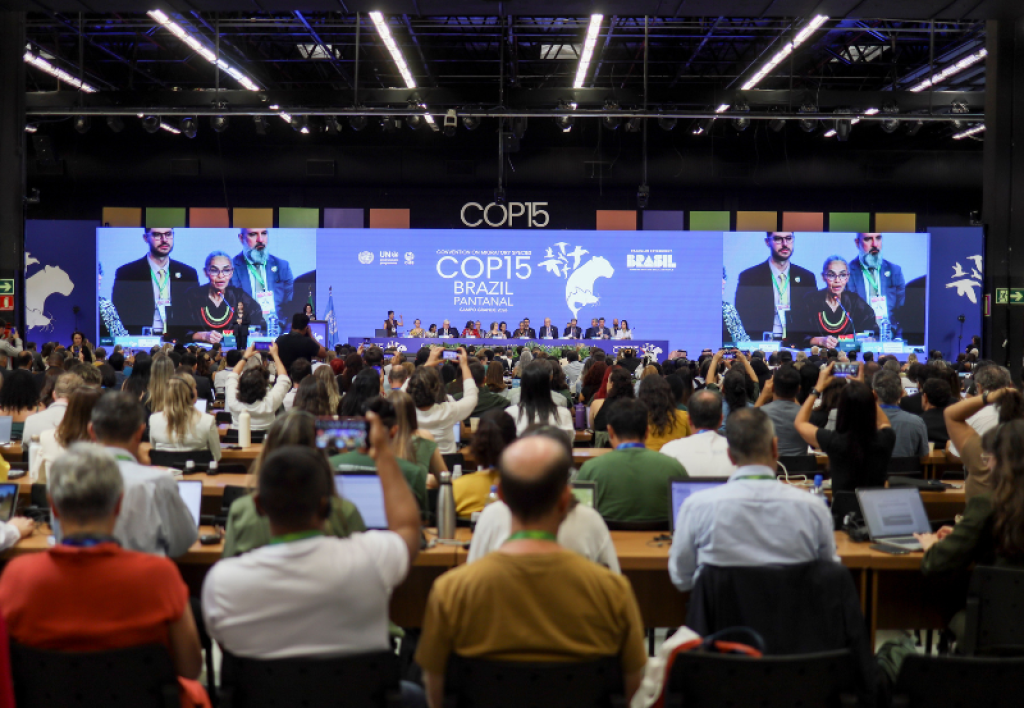
Under the theme “Connecting nature to sustain life,” the 15th Meeting of the Conference of the Parties to the Convention on the Conservation of Migratory Species of Wild Animals (COP15) officially opened this Monday (March 23). The event, which brings together around 2,000 participants in the capital of Mato Grosso do Sul, marks a historic moment for Brazil. For the first time, the country presides over the conference, strengthening its ethical leadership in advancing global socio-environmental commitments.
The Minister of the Environment and Climate Change, Marina Silva, opened the proceedings by highlighting the Pantanal as the ideal setting for the debate. According to the Minister, increasing representativeness in climate decision-making necessarily requires opening spaces for dialogue and including the contributions of Indigenous Peoples and traditional communities (IPTCs).
“The Pantanal is a land of encounters. It is where rivers become lakes, where forests open into fields, where birds from the North and South find a resting place. It is a link that reminds us that nature is not divided by rigid lines, but intertwined through generous transitions. We must connect nations, politics, science, and traditional knowledge to ensure that migratory species can continue their journeys,” said Marina Silva.
The Executive Secretary of the MMA, João Paulo Capobianco, formally assumed the presidency of COP15 for the next triennium, succeeding Uzbekistan (which held the presidency at COP14, from 2024 to 2026). Capobianco emphasized that Brazil’s leadership will be action-oriented.
“We are committed to collaborating with CMS. We aim to seek new accessions and perspectives, leveraging the leadership of President Lula, Minister Marina Silva, and our MMA team to engage other countries. We also want to advance discussions on increasing funding and investment, and to contribute to progress in science and knowledge,” he explained.
Brazil’s leadership was also praised by the Deputy Executive Director of the United Nations Environment Programme (UNEP), Elizabeth Maruma Mrema. “It is very timely that we gather at the gateway to the Pantanal. This biome is a living example of ecological connectivity,” she noted. “COP15 represents a call to action. It is an opportunity to turn words into concrete action, strengthen protection measures, tackle illegal threats, and coordinate efforts along the entire migratory routes of species,” she concluded.
What is on the negotiating table?
The Executive Secretary of CMS, Amy Fraenkel, highlighted that the success of the conference will depend on overcoming both physical and political barriers. In this edition, negotiators are addressing more than 100 agenda items, ranging from combating illegal hunting and habitat loss and fragmentation to addressing the impacts of deep-sea mining and noise and chemical pollution.
“Migratory species are bioindicators of the planet’s health. If they cannot complete their cycles, the entire system fails. We will discuss the inclusion of 42 new species in CMS Appendices I and II [lists of threatened migratory species or those requiring international cooperation for their conservation, respectively], as well as mechanisms for Range States to act in a coordinated manner,” Fraenkel explained. The Government of Brazil proposes, among others, the inclusion of the Pintado (Pseudoplatystoma corruscans), a migratory catfish found in the São Francisco and La Plata river basins.
Currently, CMS protects 1,189 species (962 birds, 94 terrestrial mammals, 64 aquatic mammals, 58 fish, 10 reptiles, and one insect). A species is considered migratory when it crosses national borders in search of food, water, or safe breeding grounds.
Negotiations in plenary and working groups will continue throughout the week. Proposals for listings, resolutions, and decisions that will shape conservation policies for the coming years will be submitted for formal adoption on Sunday (29).
Protecting those who protect
In line with discussions on the protection of migratory species, Minister Marina Silva emphasized the importance of traditional populations for biodiversity and planetary conservation.
“Brazil has chosen to lead by example. That is why yesterday, when President Lula signed the decrees, he ensured they included not only strict protection measures but also sustainable use initiatives,” she added.
On Monday evening, the Migratory Species Champion Night will take place, recognizing CMS Parties for outstanding contributions to the protection of wildlife on the move.
COP15 takes place from 23 to 29 March. Alongside the negotiations, the Government of Brazil is hosting the Brazil Space at the Blue Zone (Bosque Expo), as well as an expanded free program open to the public at the Conexões Sem Fronteiras venue, at Casa do Homem Pantaneiro, in Parque das Nações Indígenas.
Special Secretariat for Social Communication – MMA
[email protected]
+55 (61) 2028-1227/1051
Access MMA’s Flickr

Brasil
Conheça Ouro Preto: o primeiro destino brasileiro reconhecido como Patrimônio Mundial da UNESCO

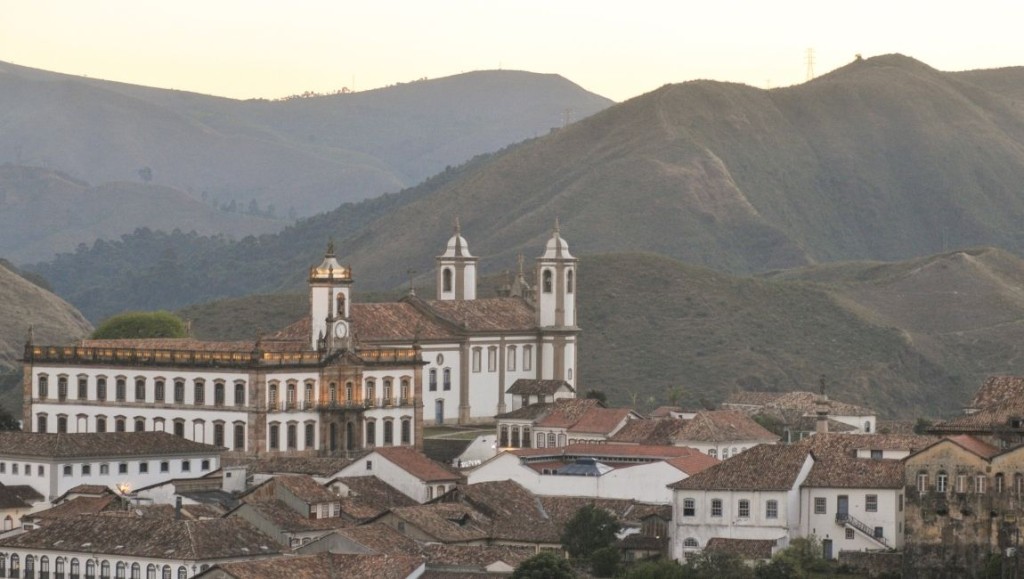
Primeiro bem brasileiro inscrito na Lista do Patrimônio Mundial da UNESCO, em 1980, Ouro Preto (MG) preserva igrejas centenárias, casarões coloniais, museus e antigas minas de ouro que ajudam a contar parte da história do Brasil.
Fundada no fim do século XVII, Ouro Preto cresceu com a descoberta de ouro em Minas Gerais e se tornou um dos principais centros econômicos da colônia portuguesa. Também foi palco da Inconfidência Mineira e capital de Minas Gerais até 1897. Com o fim do ciclo da mineração, a cidade preservou seu conjunto urbano e hoje é um dos principais destinos de turismo histórico e cultural do país.
Ouro Preto recebeu o título de Patrimônio Mundial por preservar um dos mais importantes conjuntos arquitetônicos do período colonial nas Américas. Igrejas, pontes, chafarizes, edifícios públicos e casarões históricos permanecem integrados ao traçado original da cidade, além de reunir obras de artistas como Aleijadinho e Mestre Ataíde.
O Ministério do Turismo reuniu dicas sobre o que fazer na cidade, para diferentes perfis de viajantes:
- Praça Tiradentes: principal cartão-postal da cidade e ponto de partida para conhecer o Centro Histórico.
- Igreja de São Francisco de Assis: considerada uma das principais obras de Aleijadinho, com pinturas de Mestre Ataíde.
- Igreja Matriz de Nossa Senhora do Pilar: famosa pelo interior ricamente decorado e pelas obras de arte sacra.
- Museu da Inconfidência: conta a história da Inconfidência Mineira e da formação de Minas Gerais.
- Museu Aleijadinho: reúne peças e documentos sobre a vida e a obra do artista.
- Museu de Arte Sacra: abriga imagens, esculturas e objetos religiosos dos séculos XVIII e XIX.
- Casa dos Contos: antigo casarão que apresenta exposições sobre a história da mineração e da administração colonial.
- Casa de Tomás Antônio Gonzaga: imóvel ligado à história de um dos principais nomes da Inconfidência Mineira.
- Minas de ouro: abertas à visitação, mostram como funcionava a extração do ouro durante o período colonial.
Quem tiver mais tempo também pode conhecer os distritos de Lavras Novas e São Bartolomeu, conhecidos pelas paisagens naturais, gastronomia típica e produção artesanal.
Quando visitar
Ouro Preto pode ser visitada durante todo o ano, mas alguns eventos tornam a experiência ainda mais especial:
- Carnaval: um dos mais tradicionais de Minas Gerais, reúne blocos de rua, festas universitárias e programação cultural.
- Semana Santa: celebração marcada por procissões, concertos e os tradicionais tapetes ornamentais confeccionados nas ruas do Centro Histórico.
- Semana da Inconfidência: realizada em abril, relembra um dos principais movimentos da história brasileira com cerimônias cívicas e atividades culturais.
- Festival de Inverno de Ouro Preto e Mariana: um dos mais tradicionais do país, reúne apresentações de música, teatro, dança, cinema, literatura e artes visuais.
- Semana do Aleijadinho: homenageia o maior nome do barroco brasileiro com exposições, palestras e visitas guiadas.
Além desses eventos, o calendário turístico da cidade inclui festivais gastronômicos, encontros culturais, apresentações musicais e celebrações religiosas ao longo do ano.
Como chegar
O acesso principal é pela capital mineira, distante cerca de 100 quilômetros. Para quem chega de avião, o aeroporto mais próximo é o Aeroporto Internacional de Belo Horizonte (Confins). De lá, o trajeto até Ouro Preto pode ser feito de carro, ônibus ou traslado turístico, em cerca de duas horas.
Quem viaja de carro pode acessar a cidade pelas rodovias BR-040 e BR-356, enquanto linhas regulares de ônibus fazem diariamente o trajeto entre Belo Horizonte e Ouro Preto.
Patrimônio Mundial
A Lista do Patrimônio Mundial reúne locais reconhecidos pela UNESCO por sua importância cultural, natural ou histórica para a humanidade. Os bens inscritos são considerados de Valor Universal Excepcional e passam a integrar uma relação internacional de patrimônios cuja preservação é de interesse mundial.
O Brasil possui atualmente 25 bens inscritos na lista, distribuídos entre as categorias Cultural, Natural e Mista.
Por Natália Moraes
Assessoria de Comunicação do Ministério do Turismo
Fonte: Ministério do Turismo


Conheça Ouro Preto: o primeiro destino brasileiro reconhecido como Patrimônio Mundial da UNESCO

Comissão torna obrigatória informações sobre ISTs em aplicativos de relacionamento

Em Lisboa, Brasil participa de conferência da OMS sobre inteligência artificial aplicada à saúde

CCJ aprova propostas como fim da escala 6X1 e redução da maioridade penal no primeiro semestre

Deputados criticam ausência do ministro das Relações Exteriores em audiência pública
-

 Brasil5 dias ago
TILÁPIA A PARMEGIANA
-

 Paraná6 dias ago
MPPR cumpre mandados de busca e apreensão em 5 municípios do Paraná e 1 do Ceará em investigação sobre corrupção e fraude à licitação em hospital de Cascavel
-

 Agro4 dias ago
Pecuária reage a exigências da União Europeia e cobra autonomia sobre uso de medicamentos
-

 Paraná5 dias ago
Ministério Público do Paraná emite recomendação administrativa com o objetivo de garantir condições adequadas de funcionamento a escola municipal em Ampére
-
 Política Nacional5 dias ago
Interlegis, do Senado, é premiado por Guia de Boas Práticas no Legislativo
-

 Paraná5 dias ago
Promotoria de Justiça de Colorado realizará atendimento descentralizado à população do distrito de Alto Alegre no dia 16 de julho, quinta-feira
-

 Política Nacional5 dias ago
Comissão aprova mudança em critério de divisão de ICMS para atividades agropecuárias
-

 Agro4 dias ago
Greening ameaça produção de 15,6 milhões de toneladas de laranja