Brasil
Asian leaders explore ethical pathways to address climate change, bolstering the “mutirão” towards COP30

This Monday, September 1st, the Indian capital hosted the third Regional Dialogue of the Global Ethical Stocktake (GES), a core pillar of the social mobilization process leading up to COP30, the United Nations Climate Change Conference to be held in Belém.
The event gathered 22 participants, including climate activists, artists, scientists, civil society representatives, and public authorities who engaged in a collective reflection on how humanity must ethically advance the fight against climate change. Discussions focused on aligning efforts with climate science and the Paris Agreement’s goal of limiting global temperature rise to 1.5°C above pre-industrial levels.
Through this Dialogue, participants reaffirmed their commitment to the global movement called by the COP30 Presidency, which is aimed at the effective implementation of climate agreements established over the past decade. These agreements seek to counteract the increasing impacts of the climate crisis, which disproportionately affect the world’s most vulnerable communities.
Among the high-level participants were Brazil’s Minister of the Environment and Climate Change, Marina Silva (joining remotely); Nobel Peace Prize Laureate and Asian Co-leader of the Global Ethical Stocktake, Kailash Satyarthi; COP30 President Ambassador André Corrêa do Lago; COP30 CEO Ana Toni; and Brazilian Ambassador to India and Bhutan, Kenneth Nóbrega.
“The Global Ethical Stocktake seeks to assess the current state of the climate emergency through the lens of an ethics of values, as a way to counterbalance the ethics of circumstances that have contributed to the worsening of the crises we are facing,” emphasized Minister Marina Silva. She mentioned that, due to the climate crisis, around 500,000 lives are lost yearly to heatwaves.
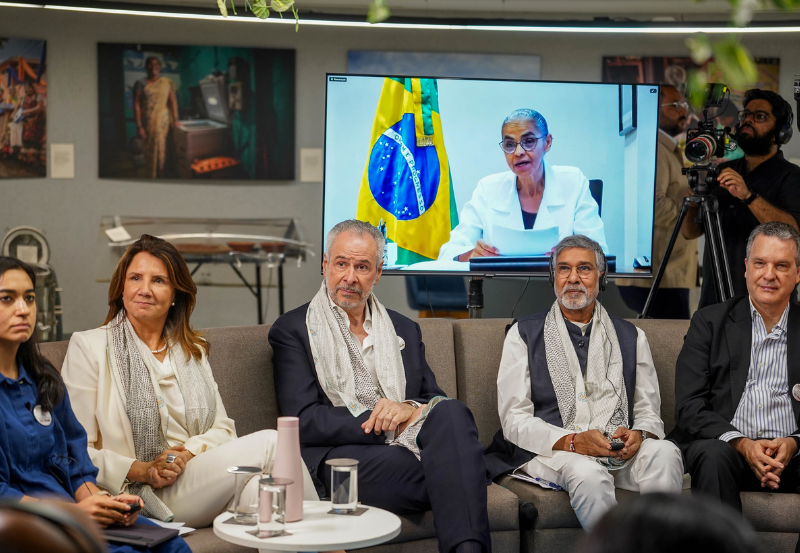
- Participants included the Minister of the Environment and Climate Change, Marina Silva (remotely); the CEO of the conference, Ana Toni; the president of COP30, Ambassador André Corrêa do Lago; Nobel Peace Prize winner and co-leader of the Global Ethical Stocktake for Asia, Kailash Satyarthi; and the Brazilian ambassador to India and Bhutan, Kenneth Nóbrega – Photo: Fernando Donasci/MMA
“Complacency is a death wish. Our planet is on fire, and the time for business as usual is over. We must act now—fundamentally changing our way of life, redefining growth, stopping climate injustice, and uniting in a new era of global cooperation. Let’s globalise compassion to protect our home,” said Kailash Satyarthi, founder of the Satyarthi Movement for Global Compassion.
The Global Ethical Stocktake (GES) invites humanity to consider how far we have come, what actions still need to be taken, and what collective behavioral and societal shifts are required to meet the 1.5°C target. It draws inspiration from the Global Stocktake under the Paris Agreement, concluded at COP28 in the United Arab Emirates.
While the technological solutions to address the climate crisis already exist, the GES emphasizes that the missing piece is ethical commitment. The Dialogues aim to pave the way for the climate agreements signed by nearly 200 countries since 2015’s full implementation.
The core focus is the UAE Consensus, adopted at COP28, where countries agreed to triple renewable energy capacity, double energy efficiency, end deforestation, and transition away from fossil fuels.
“It’s up to us to transform this agenda into action, and commitments into tangible results for all regions. The biggest challenge is no longer discussing what needs to be done, but having the moral and ethical courage to do it,” explained Marina Silva.
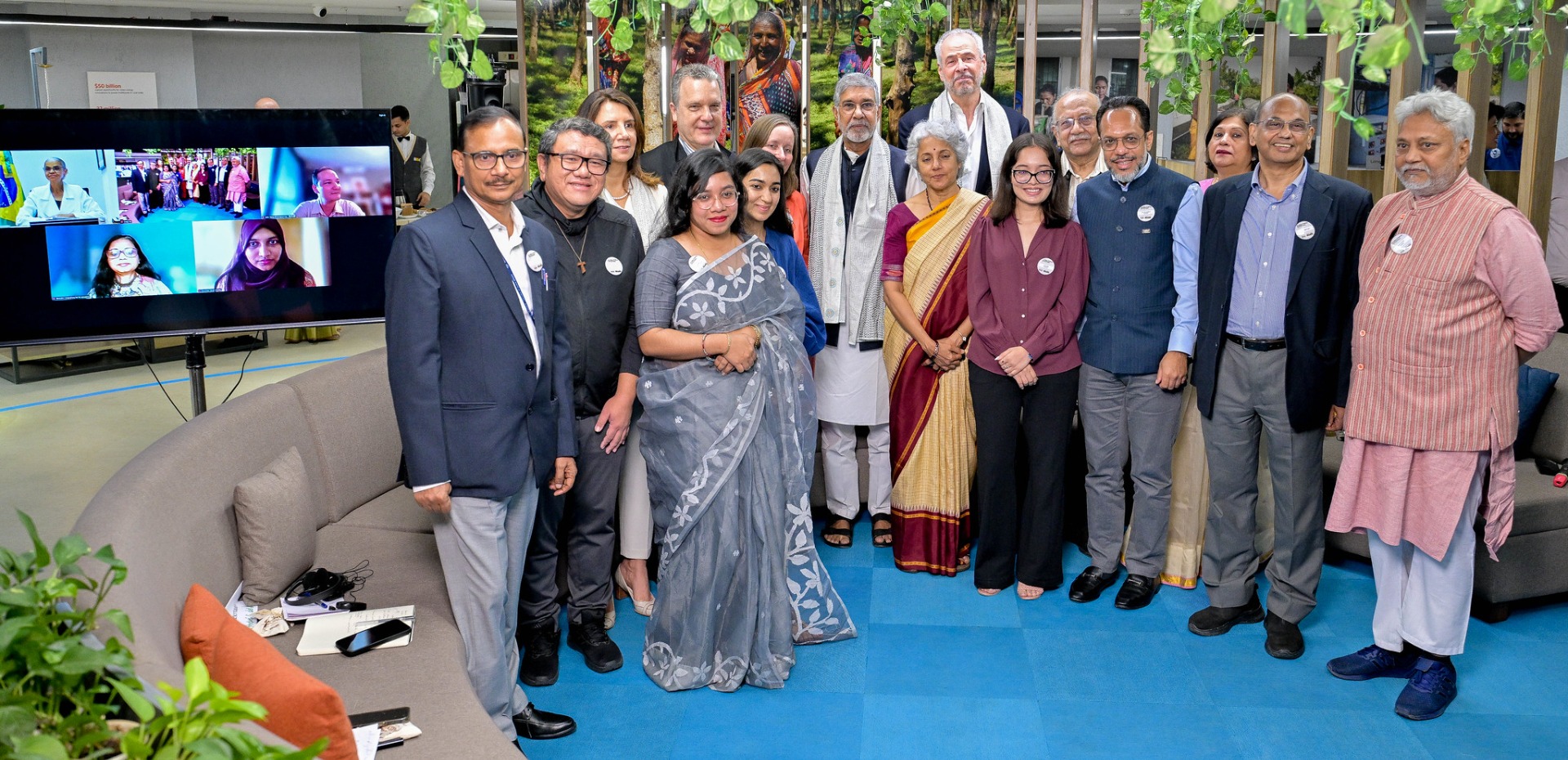
- Participants strengthened the global task force convened by the COP30 Presidency for the implementation of climate agreements signed over the last decade – Photo: Fernando Donasci/MMA
Led by Brazilian President Luiz Inácio Lula da Silva and UN Secretary-General António Guterres, the GES will produce six regional reports and a synthesis report to be presented at the Pre-COP in Brasília this October. These documents will be submitted to the COP30 Presidency to help inform decision-making processes and guide Heads of State and climate negotiators.
André Corrêa do Lago highlighted that the GES presents the COP30 Presidency with issues from multiple sectors of global society that must be taken into account, in addition to the concerns raised by individual countries. “In international negotiations, it’s only countries that speak. But, at the end of the day, it’s about people”, he mentioned.
Ana Toni stated that the Global Ethical Stocktake is supposed to be a guideline for COP30: “In these roundtables, we bring the moral compass we need to face at COP30.” The conference CEO noted that “time is our greatest enemy” in tackling climate change. “Every day that we do not act, so many more people suffer, be it in Brazil, India, or the US. Time is a precious resource that we sometimes take for granted”, she said.
Regional Dialogues
The GES is being carried out through a series of Regional Dialogues, which take place across different continents through October 2025. The first dialogue was held in London (Europe), followed by Bogotá (South, Central America and the Caribbean), co-led by former Presidents Mary Robinson (Ireland) and Michelle Bachelet (Chile), respectively.
Upcoming dialogues will take place in Africa, co-led by Kenyan climate activist Wanjira Mathai; Oceania, co-led by former President of Kiribati, Anote Tong; and North America, co-led by Karenna Gore, U.S. activist and founder of the Center for Earth Ethics.
In addition to these high-level meetings, Self-Organized Dialogues are being encouraged across the globe, led by civil society and national/subnational governments, following the same methodology and principles.
The meeting in New Delhi took place at the Council on Energy, Environment and Water (CEEW) headquarters, and was organized with the support of the Federal Ministry for the Environment, Nature Conservation and Nuclear Safety of Germany.
Full List of Participants – Asia Dialogue of the Global Ethical Stocktake (GES):
- Ajay Mathur – Energy and climate expert; Professor of Practice at the Indian Institute of Technology, Delhi
- Ana Toni – CEO, COP30
- André Corrêa do Lago – President, COP30
- Arunabha Ghosh – Public policy expert, author, founding CEO of the Council on Energy, Environment and Water (CEEW) and Special Envoy for COP30 representing South Asia
- Farzana Faruk Jhumu – Climate activist from Bangladesh and environmental justice advocate
- Ihitashri Shandilya – Founder and CEO of MITHILAsmita, a UN-recognized initiative promoting Madhubani traditional art
- Kailash Satyarthi – Nobel Peace Laureate; founder of the Satyarthi Movement for Global Compassion (SMGC); Asia Co-lead for the GES
- Kenneth Nóbrega – Brazilian Ambassador to India and Bhutan
- LeoHorn‑Phathanothai – Author, strategist, ecosystem builder and advocate for green transitions in Southeast Asia
- Manjyot Kaur – International climate policy specialist
- Marina Silva – Minister of the Environment and Climate Change of Brazil
- Nik Nazmi – Vice President of Keadilan and Member of Parliament, Malaysia (Setiawangsa)
- Nitin Desai – Economist, London School of Economics alumnus; former UN Under-Secretary-General for Economic and Social Affairs (1992–2003)
- Philipp Ackerman – German Ambassador to India
- Rajendra Singh – Environmentalist; leader of a community water management movement in Rajasthan
- Ravi Shankar – Indian lawyer and political leader; Member of Lok Sabha since 2019
- Ridhima Pandey – Indian climate activist recognized internationally since age nine
- Rodne Galicha – Environmental and climate leader from the Philippines
- Seruni Salsabila – Southeast Asian youth environmental leader and climate entrepreneur
- Soumya Swaminathan – Indian pediatrician and clinical scientist; global health leader with a climate focus
- Sumaiya Binte Selim – Senior researcher in climate and development, Banglades
- Vibha Dhawan – Director-General of The Energy and Resources Institute (TERI) since 2021
MMA Special Media Relations Office
[email protected]
(61) 2028-1227/1051
Visit the MMA Flickr page

Brasil
Seminário Brasil Saudável reúne organizações e sociedade civil para discutir caminhos para a eliminação de doenças determinadas socialmente

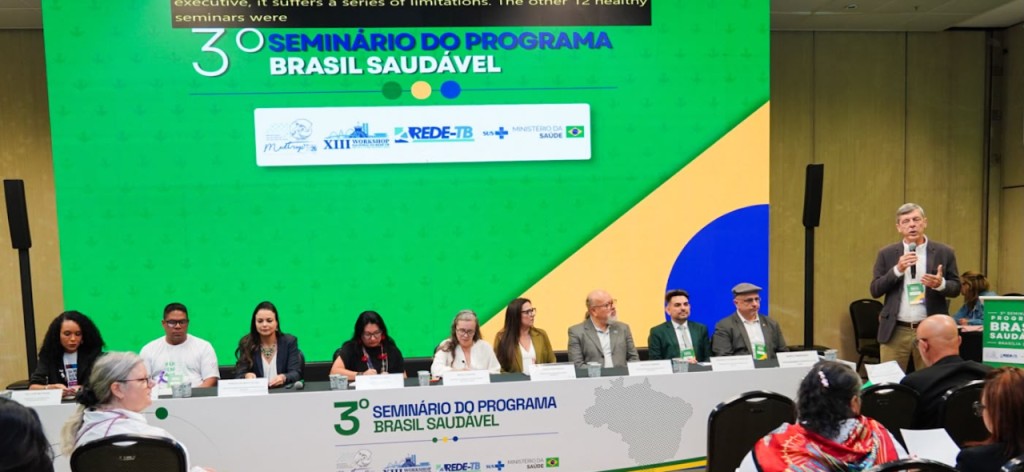
O 3º Seminário do Programa Brasil Saudável reúne, neste domingo (16), na capital federal, representantes do poder público, instituições de ensino e pesquisa, organismos internacionais, entidades da área da saúde e organizações da sociedade civil para discutir estratégias de enfrentamento dos determinantes sociais e das desigualdades que impactam as condições de saúde da população. As atividades contam com a moderação técnica do Ministério da Saúde (MS) e apresentam como eixo central o caminho para eliminação das doenças determinadas socialmente.
Os debates têm como foco aproximar diferentes perspectivas e experiências, fortalecendo a construção coletiva de estratégias para enfrentar condições sociais, econômicas, ambientais e territoriais que contribuem para a persistência de doenças e desigualdades em saúde. O evento acontece como atividade prévia do 61º Congresso da Sociedade Brasileira de Medicina Tropical, o MedTrop 2026, considerado maior encontro multidisciplinar sobre doenças infecciosas, parasitárias e saúde pública da América Latina, e promove discussões em torno da integração entre ciência, políticas públicas, participação social e ações intersetoriais. São aguardadas, durante a semana, cerca de 4 mil pessoas no evento.
Em sua fala inicial, a secretária adjunta de Vigilância em Saúde e Ambiente do MS, Marília Santini, explicou que o diferencial da abordagem debatida no seminário é integrar o tema das doenças socialmente determinadas sob uma nova perspectiva. “Não o tratamos apenas como uma questão clínica, mas como um desafio social complexo, marcado pela desigualdade. Compreendemos que a solução depende de fatores estruturais, como o acesso à água potável, saneamento básico, melhoria das condições de moradia e aumento da renda. O grande desafio, é promover uma mudança de hábitos e de cultura”, declarou.
Santini contextualizou, ainda, que as parcerias de trabalho eram focadas estritamente em doenças específicas, como a malária ou o tracoma – o que muda com um novo olhar trazido pelo Brasil Saudável. “Com o Programa Brasil Saudável ampliamos essa rede e passamos a focar na melhoria das condições do território, visando prevenir diversas enfermidades de forma integrada”, disse.
A programação, que acontece até o fim do dia, recebeu, ainda, na mesa de abertura, representantes da Rede Brasileira em Pesquisa em Tuberculose (Rede TB), do Conselho Nacional de Saúde (CNS), do Coletivo da Sociedade Civil no Programa Brasil Saudável, da Sociedade Brasileira de Medicina Tropical (SBMT), do Conselho Nacional de Secretários de Saúde (CONASS), do Conselho Nacional de Secretarias Municipais de Saúde (CONASEMS), e da Organização Pan-Americana da Saúde (OPAS).
Painéis temáticos
No período da manhã, o primeiro painel abordou o tema “Saúde nos Trópicos e os desafios contemporâneos para a eliminação das doenças determinadas socialmente no Sul Global”. Os expositores falaram sobre o panorama e os desafios atuais para a eliminação dessas doenças, além dos obstáculos para a implementação de programas públicos nos territórios. Também foram discutidas as relações entre mudanças climáticas, desigualdades territoriais e proteção dos territórios tradicionais, assim como a importância da participação social e da articulação intersetorial.
O segundo painel trouxe enfoque para diferentes formas de racismo, iniquidades e direito à saúde. A mesa ampliou o debate sobre os determinantes sociais da saúde a partir das experiências de diferentes populações. Entre os temas discutidos destacam-se racismo, território e direito à saúde, violências e exclusão social da população negra, iniquidades e direitos dos povos indígenas, além de racismo estrutural.
No período da tarde, o terceiro painel debate a proteção social e convergência de políticas públicas. Em pauta serão discutidos determinantes sociais e as interseccionalidades, as vulnerabilidades que atravessam territórios e gerações, a intersetorialidade no âmbito do Sistema Único de Saúde (SUS) e o enfrentamento das iniquidades vivenciadas pela população LGBTQIAPN+. O quarto e último painel tem como objetivo amplificar o olhar a respeito de ciência, inovação e implementação territorial, e destaca, também, a contribuição da pesquisa e da produção de conhecimento para o enfrentamento dos determinantes sociais.
No encerramento será apresentada a sistematização das atividades e realizada discussão sobre perspectivas para fortalecer ações intersetoriais entre ciência, gestão e sociedade civil na eliminação das doenças determinadas socialmente. As participações destacam que o enfrentamento das doenças determinadas socialmente exige uma atuação articulada entre diferentes setores do Estado e da sociedade, com políticas públicas capazes de considerar as especificidades dos territórios e as diferentes situações de vulnerabilidade que influenciam o processo saúde-doença.
Suellen Siqueira
Ministério da Saúde
Fonte: Ministério da Saúde


Santos goleia o Vasco, deixa o Z4 e conquista primeira vitória fora de casa

Cruzeiro vence o Corinthians por 2 a 1 e impede entrada do rival no G5

Flamengo goleia o Mirassol por 5 a 1 e reduz distância para o líder Palmeiras

Seminário Brasil Saudável reúne organizações e sociedade civil para discutir caminhos para a eliminação de doenças determinadas socialmente

Larissa Tomásia realiza chá revelação e se emociona com descoberta do sexo do bebê
-

 Agro7 dias ago
Simpósio mostra como elevar o lucro da pecuária a pasto
-

 Paraná4 dias ago
Gaeco e Polícia Militar cumprem 24 mandados em 11 cidades na segunda fase da Operação Via Pix, que apura possíveis crimes cometidos por policiais rodoviários
-

 Educação5 dias ago
Confira como acessar os resultados do Ideb por escola
-

 Esportes5 dias ago
Corinthians encerra negociação e decide não renovar contrato de Memphis Depay
-
 Educação5 dias ago
Universidades federais abrem 11 mil vagas em novos cursos para 2027
-
 Educação7 dias ago
Ideb 2025 apresenta resultados estaduais da EPT articulada ao ensino médio
-

 Esportes5 dias ago
Fluminense empata com Independiente Rivadavia e deixa decisão das oitavas em aberto
-
 Política Nacional6 dias ago
CAE vota emendas ao projeto que aumenta o piso salarial de médicos